

Lakers Summer Notes: Rui, Cameron Carr and Other Thoughts
A couple of quiet days on the transaction front... but surely there's more to come, right?

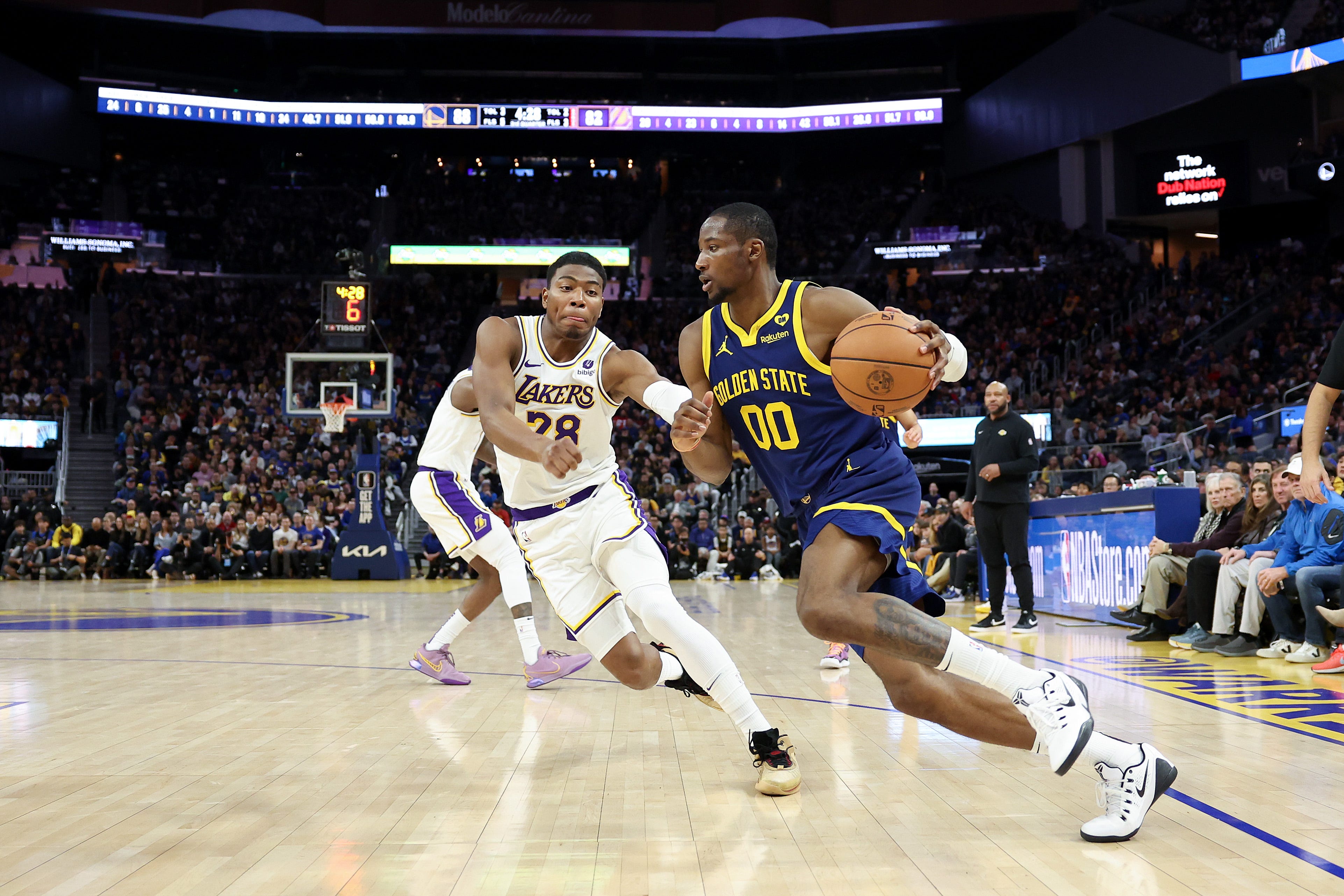
After a big bang to open free agency, the NBA offseason has suddenly hit a lull.
It feels like the league is taking a moment to process the flurry of moves from the first couple of days, while front offices work through the remaining dominoes, including the biggest one of all: LeBron James, and figure out the best order to execute deals in the NBA’s increasingly complex CBA environment.
Part of the slowdown was expected. The moratorium, which ran from July 1 until July 6 at noon ET, allowed teams to agree to deals but prevented most contracts and trades from becoming official. Even with the moratorium now over, it seems to have taken a little longer than expected for the next flurry of moves to materialize.


One important deal did happen. Rui Hachimura, one of the key remaining free agents, agreed to a two-year, $28 million deal to remain in Los Angeles. But despite reports that the Lakers were working through different scenarios to bring him back, he ultimately chose the cross-town rival Clippers.


So today, I’ll try to unpack what that move signals for the Lakers’ plans, along with a few other notable developments from the past two days.
Today’s highlights:
After Rui, what dominoes remain?
Current Rotation Chart: where is the depth?
More thoughts on Cameron Carr and Summer League
1-After Rui, what dominoes remain?
On Saturday, I wrote that Rui Hachimura and Jonathan Kuminga appeared to be the Lakers’ two primary targets to fill one of their two biggest remaining needs: a starting forward and a backup big man.
There have been plenty of reports, some of them even contradictory, about the Lakers’ interest in both players. So with Hachimura now off the board, despite earlier reports that staying in Los Angeles was his priority, I see two possible explanations.

The first is that the Lakers are increasingly confident they can convince Kuminga to join them by offering a starting role, believing his athleticism and defensive upside make him the better fit for the team's new vision.
The second is that they simply weren’t able to execute the follow-up moves needed to create additional financial flexibility. After all, they had already signaled their intent to do exactly that by trading Deandre Ayton in a money-saving move that also brought in some much-needed second-round draft capital.
