

Lakers Draft Series: What to Do With the 25th Pick?
Keep it, trade it, or package it? Breaking down the value, the history, and the Lakers’ best path forward.

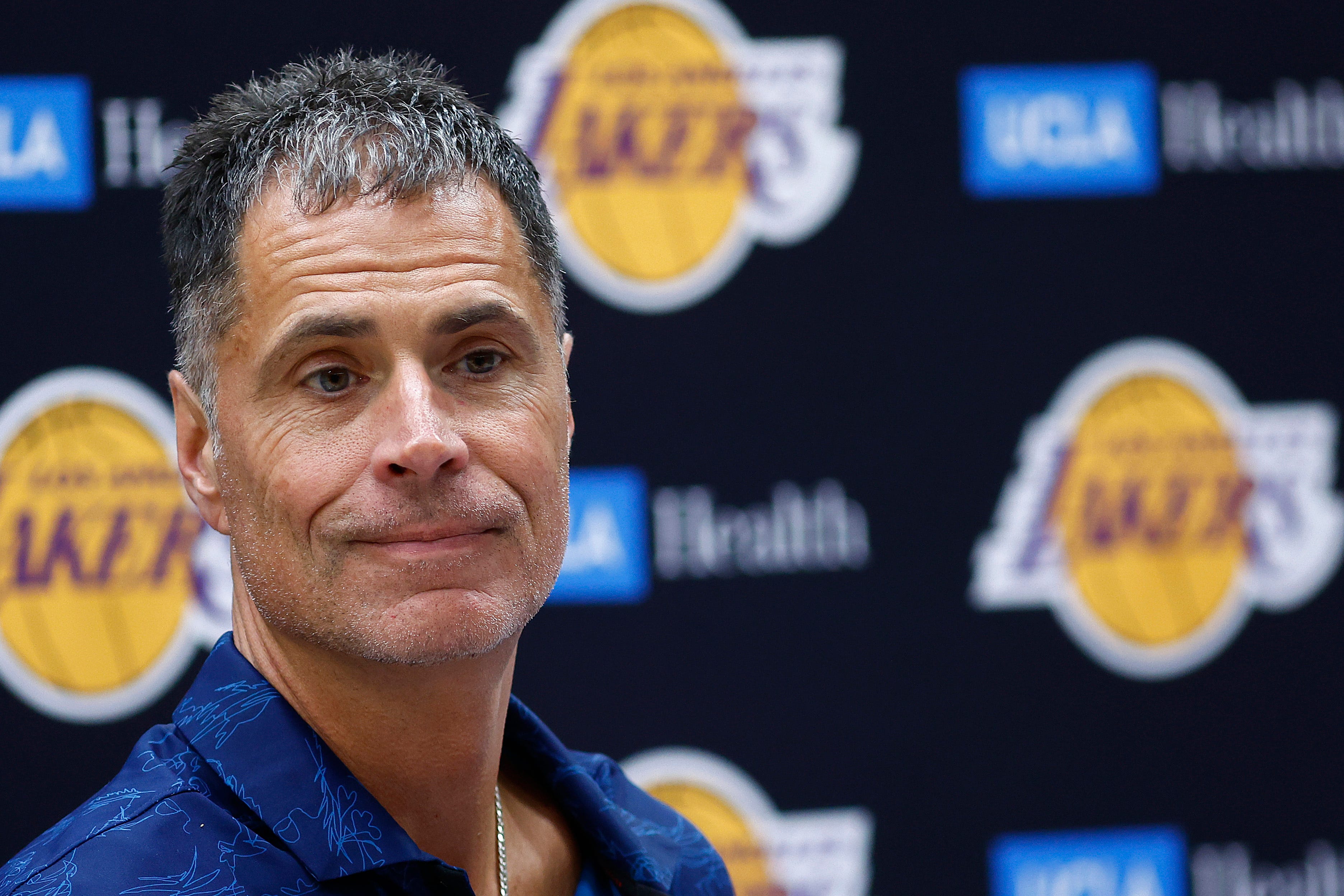
As we continue our offseason coverage, today we turn our attention to the 2026 NBA Draft, now less than a month away, with this year’s event set for June 23-24.
The Lakers currently hold the No. 25 overall pick, one of the key flexibility assets Rob Pelinka has been preserving throughout the last year while trying to build a competitive roster, while also keeping an eye on the future of retrofitting the team around Luka Dončić.
The question now becomes what exactly the Lakers will do with that 25th pick.
Will they keep it and try to add the young talent this roster desperately needs, or could the selection become part of a larger win-now move? The timing of the draft is crucial for the Lakers. Starting on draft night, the Lakers will have a very short window in which three first-round picks become tradable at the same time — their 2026 selection plus future first-rounders in 2031 and 2033. That could potentially give Pelinka the flexibility to pursue a major deal, perhaps even entering the conversation as an outside contender in the Giannis Antetokounmpo sweepstakes or other surprise blockbuster scenarios.
To help tackle all of those draft questions and potential scenarios, I joined forces with a longtime supporter of this Substack and someone who has been chronicling the NBA Draft, especially through a Lakers lens, for more than two decades, Mike Garcia. Mike runs his own Substack, Lakers Draft Scouting, where he regularly shares detailed scouting reports, draft analysis, and thoughts on the Lakers’ options in the upcoming draft, and it is a resource I highly recommend for anyone looking to dive deeper into this year’s class.
In this first part of the Draft Series, I’ll try to tackle some of the bigger-picture questions surrounding the value of the No. 25 pick, both through the lens of draft history and the type of return teams typically get in that range, but also in the context of the Lakers’ recent front office decisions and the unique dynamics of this particular draft class.
Then, in the next part of the series, Mike and I will dive deeper into specific prospects and take a closer look at the players who could realistically end up on the Lakers’ radar.
Today’s highlights:
The increasing value of cost-controlled young players
The historical return of picks in the 25th range
Lakers draft history
The influence of Tony Bennett and a new draft philosophy?
1-The increasing value of cost-controlled young players
Watching the playoffs this year, and especially the incredibly high standard of roster construction set by the Thunder and Spurs in the Western Conference, it is easy to fall into overreaction mode. Beyond having two MVP-level superstars leading the way, the part that feels almost impossible for the rest of the league to replicate is the sheer number of high-level young players on rookie contracts who are already capable of contributing on the playoff stage.
To be fair, that type of roster construction still feels more like the exception than the rule. Both the Thunder and Spurs strategically navigated years of rebuilding, tanking, and asset accumulation, while also hitting on several key draft selections along the way. The Pistons and Rockets followed a similar path. On the other side, two other conference finalists, the Knicks and Cavaliers, along with playoff teams like the Lakers and Timberwolves, followed a much more conventional teambuilding path, with most of their core rotation players already established veterans playing on second or third contracts.
Nonetheless, under the new CBA, finding even one reliable rotation player on a rookie contract has become a major advantage, especially in a draft like this one, where many evaluators believe the depth of NBA-level talent could extend well beyond the lottery and deep into the first round. That was one of Mike’s main points when we discussed the value of the 25th pick:
The trend has been that draft depth has been increasing for several consecutive years. If the NIL did not exist, I would argue there are about 35 first-round-level prospects. Some players have decided to go back, so I would guess the number is now 25. Typically, it is more like 15 to 20. In terms of draft value, there is a possibility of getting a more immediate contributor or a highly skilled big in this particular draft. But it really just depends on the trades available. Otherwise, it is such an advantage to have a productive player on a controlled-cost contract.
Mike believes that the range where the Lakers are picking this year could still offer meaningful value:
I think the value for the 25th pick this year could possibly be a rotation player off the bench, like an eighth man or so, or a player who is a little further behind but has a better projection as a future starter because they lack something, for example NBA-level strength.
I lean towards keeping the pick if there is no clear upgrade or trade opportunity.
